
Let's get one thing straight. Delta 9 THC is not out to ruin your day. But if you have ever taken too much, taken it on an empty stomach, or grabbed some mystery gummy from a gas station with zero idea what was actually in it, you already know the other side of the coin. The racing heart. The dry mouth. The "why is the couch eating me" spiral. Those are delta 9 side effects, and the good news is that almost all of them are predictable, manageable, and avoidable when you actually know what you are doing.
At MCRO, we built our entire brand around a simple idea: THC should elevate your day, not sink it. That means understanding exactly how delta 9 affects your body, why the bad trips happen, and how smart dosing turns THC from a gamble into a tool you can count on. This is the no BS guide to delta 9 side effects, what causes them, how long they last, and how to keep your experience smooth from the first bite to the next morning.
What Is Delta 9 THC and Why Does It Cause Side Effects?
Delta 9 tetrahydrocannabinol, usually just called delta 9 or D9, is the main psychoactive compound in cannabis. It is the molecule responsible for the "high," and it works by binding to cannabinoid receptors in your brain and body, mostly the CB1 and CB2 receptors that make up your endocannabinoid system. That system helps regulate mood, appetite, sleep, pain, and stress. When delta 9 floods those receptors, you get the effects people chase: relaxation, euphoria, sharper sensory experiences, and relief from tension.
Here is the catch. The same receptor activity that makes you feel good can also tip into uncomfortable territory when there is too much THC in the mix. Delta 9 THC dilates blood vessels, which is why your eyes can turn red and bloodshot. It also increases your heart rate by stimulating the cardiovascular system, and it lowers saliva production by binding to receptors in your salivary glands, which is what causes the classic dry mouth. None of this is mysterious. It is just your body responding to a dose that may be higher than what your system actually wants.
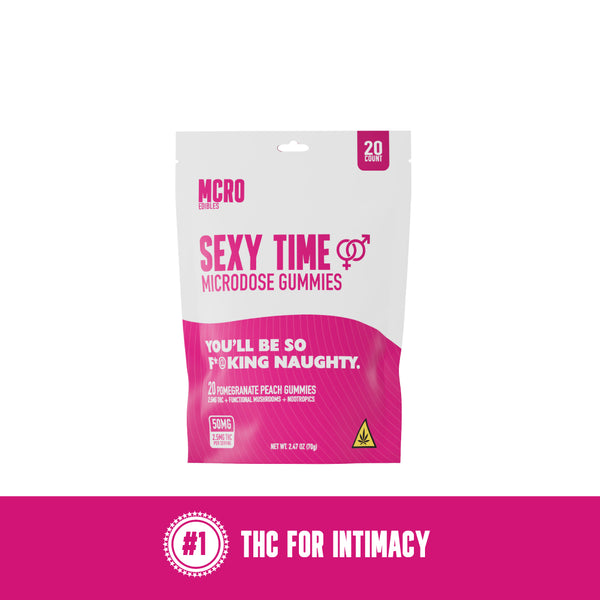
This is the core reason MCRO exists. We make microdose THC gummies with functional mushrooms that are designed to keep you in the sweet spot, where you feel the good stuff without crossing the line into the side effects nobody enjoys.
What Are the Most Common Delta 9 Side Effects?
Most delta 9 side effects fall into two buckets: physical and psychological. Knowing both helps you spot what is happening in real time and respond instead of panicking.
On the physical side, the usual suspects show up consistently across both user reports and clinical research. At high doses, delta 9 can cause nausea, vomiting, dizziness, and significant discomfort, a state casually called "greening out." Add to that dry mouth, red eyes, increased appetite (yes, the munchies are a side effect), a temporary spike in heart rate, and a drop in blood pressure that can leave you feeling lightheaded when you stand up too fast.
Psychologically, the most common complaints are anxiety and paranoia. This is the part that trips people up the most, because it feels counterintuitive. You took THC to relax, so why do you suddenly feel like everyone at the party is staring at you? The answer comes down to dose, and it is backed by some genuinely fascinating science that we will get into below.
The physical effects are usually mild and short lived. The mental ones are where dose discipline really matters, and where a microdose approach beats a "more is better" mindset every single time. If anxiety is your main concern, our breakdown on whether THC actually helps with anxiety digs deeper into the research.
Why Does Delta 9 Cause Anxiety and Paranoia?
This is the million dollar question, and the answer is one of the strongest arguments for microdosing that exists. THC has what scientists call a biphasic effect, which is a fancy way of saying that a little does one thing and a lot does the opposite.
There is a landmark study that proves it. Researchers at the University of Illinois at Chicago and the University of Chicago found that low levels of THC reduced stress, but in a highly dose dependent manner. Very low doses lessened the jitters of a public speaking task, while slightly higher doses, enough to produce a mild high, actually increased anxiety. The study divided participants into three groups. The low dose group received a capsule containing 7.5 milligrams of THC, the moderate dose group received 12.5 milligrams, and a placebo group received none.
Now here is the kicker. Participants who received 12.5 milligrams of THC reported greater negative mood before and throughout the task, and were more likely to rate the psychosocial task as "challenging" and "threatening." That is only five milligrams more than the dose that helped people relax. Five milligrams was the difference between calm and anxious.
Read that again, because it is the entire philosophy behind functional microdosing. The crossover point where THC stops calming you down and starts ramping up anxiety appears to sit somewhere between those two numbers, which is exactly why dosing matters so much, especially for newer users. When you take a massive dose, you blow right past the calm zone and land in the anxiety zone. When you microdose, you stay parked in the good part.
This is why MCRO gummies start at 2.5mg to 5mg of delta 9 per piece. We are not trying to launch you into orbit. We are keeping you comfortably below that anxiety threshold so the experience stays pleasant. If you want to understand the calming side of low dose THC in more detail, our guide on microdosing for anxiety, separating facts from hype, covers it without the fear mongering.
Are There Next Day Delta 9 Side Effects?
Short answer, sometimes. Long answer, it depends almost entirely on how much you took and how you took it.
Edibles are a different beast than smoking or vaping, and the reason is your liver. When you eat delta 9, it is metabolized through the liver, which converts delta 9 THC to 11-hydroxy-THC, a metabolite that is roughly four times more potent than inhaled delta 9 and has a much longer half-life. This means edible effects, and their residual next day impact, last significantly longer than smoked or vaped delta 9.
That longer tail is why a too big edible dose can leave you feeling foggy or groggy the morning after. The most common next day side effects include headache from dehydration, fatigue or sleepiness from THC's disruption of REM sleep, brain fog from residual receptor activity, dry mouth from suppressed saliva production, and mild anxiety from rebound neurotransmitter activity. All of them are temporary and typically resolve within two to eight hours.
The takeaway is not to fear edibles. It is to dose them with respect. A 2.5mg or 5mg microdose is far less likely to follow you into the next day than a 50mg bomb. If you want the full timeline on how long effects stick around, we break it all down in how long an edible actually lasts.
How Long Do Delta 9 Side Effects Last?
Timing depends on your method of consumption, your dose, your metabolism, and your tolerance. As a general rule, edibles take longer to kick in and last longer than inhaled THC. Most people feel an edible within 45 to 90 minutes, with effects peaking a couple hours in and tapering over the next several hours.
The side effects roughly track the main effects. Dry mouth tends to show up within the first few hours. Anxiety, if it happens, usually surfaces in that two to four hour window when the dose is peaking. Dizziness and nausea, when they occur, are typically tied to overconsumption and fade as the THC clears. The single biggest mistake people make is redosing too early. They do not feel anything at the 45 minute mark, take another gummy, and then both doses hit at once. That is how a chill night turns into an uncomfortable one.
This is the exact problem MCRO was designed to solve. Predictable onset, predictable dose, predictable exit. No guessing games.
Who Is Most at Risk for Bad Delta 9 Side Effects?
Not everyone reacts to THC the same way, and a few factors raise the odds of an unpleasant experience.
People with a low tolerance or no THC experience at all are the most likely to overshoot, simply because they do not yet know how their body responds. Anyone prone to anxiety should be extra cautious with dose, since THC can amplify those tendencies at higher levels. High doses of delta 9 THC can trigger feelings of paranoia, and they can also exacerbate pre-existing anxiety and mental health conditions. Folks with cardiovascular concerns should be mindful too, because of the temporary heart rate increase, and should talk to a doctor first.
Mixing substances is another big one. Alcohol can amplify the effects of delta 9 THC, increasing the risk of negative side effects like anxiety, paranoia, and impaired motor skills. If you are new to THC, keeping it solo and starting low is always the smart play.
The common thread across all of these risk factors is dose. Lower the dose, lower the risk. That is not a marketing slogan, it is what the research shows. For a complete primer on starting smart, our beginner's guide to safe microdosing practices is the place to start.
How Do You Avoid a Bad Trip with Delta 9?
Here is the practical playbook for keeping your delta 9 experience smooth. Most of it comes down to common sense and respecting the molecule.
Start low and go slow. This is the golden rule. Begin with a 2.5mg or 5mg dose, wait a full 90 minutes to two hours before deciding whether to take more, and never stack doses just because you are impatient.
Eat something first. Consuming delta 9 with a meal, especially in gummy form, helps regulate its absorption, which leads to a more gradual onset and reduces the chance of overconsumption.
Stay hydrated. Dry mouth is a common side effect, so drink plenty of water before, during, and after, which also helps mitigate dizziness or lightheadedness.
Skip the alcohol. As covered above, combining the two stacks the deck against you. Keep your first few sessions clean so you actually learn how THC alone feels.
Set and setting matter. A comfortable, familiar environment lowers the odds of anxiety creeping in. If you do start feeling anxious, remind yourself it is temporary, find a calm space, hydrate, and ride it out. It will pass.
Choose quality products. The most important safety factor is product quality, so always buy from retailers with current third-party COAs confirming potency and the absence of heavy metals, pesticides, and residual solvents. This is non negotiable, and it is exactly why every batch of MCRO is independently lab tested.
Why Microdosing Delta 9 Is the Smartest Way to Avoid Side Effects
By now the pattern should be obvious. Nearly every bad delta 9 experience traces back to one root cause: too much THC at once. The biphasic research makes it crystal clear that the line between a good time and a bad one can be as little as five milligrams. So why would anyone gamble with a giant dose?
That is the whole point of functional microdosing, and it is what MCRO does better than anyone. Our gummies pair low, precise doses of delta 9 with functional mushrooms and clean ingredients, so you get effects you can actually count on. We strip the terpenes from the distillate for a more targeted result, we test every batch, and we formulate each blend for a specific outcome instead of just throwing THC in a gummy and hoping for the best.
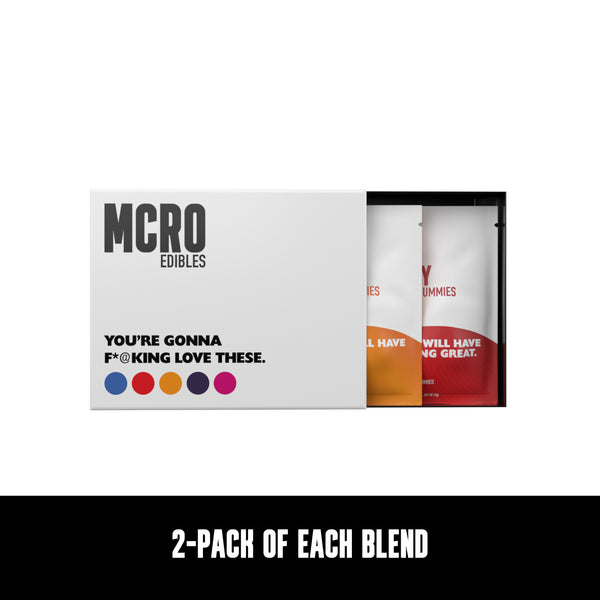
Want steady, clear headed energy without the jitters? All Day delivers balanced focus and mood. Need to unwind without the anxiety spiral? Calm Down blends THC with reishi for stress relief. Trying to actually sleep? At Night combines THC, melatonin, and functional mushrooms for deep rest. And if you have no idea where to start, the MCRO Sample Box lets you try two gummies from every blend so you can find your sweet spot before committing.
Microdosing is not about feeling less. It is about feeling exactly what you want, every single time, without the side effects that come from overdoing it. That is THC made simple, safe, and predictable. That is the MCRO difference.
Frequently Asked Questions
What are the most common side effects of delta 9 THC?
The most common delta 9 side effects are dry mouth, red eyes, increased appetite, a temporary rise in heart rate, dizziness, and at higher doses, anxiety or paranoia. Most physical side effects are mild and short lived. The psychological ones, like anxiety, are strongly tied to dose, which is why lower doses tend to feel far better than larger ones.
Can delta 9 cause anxiety?
Yes, but it is highly dose dependent. Research from the University of Illinois at Chicago and the University of Chicago found that a low 7.5mg dose of THC reduced stress, while a 12.5mg dose actually increased anxiety and negative mood. That is only a five milligram difference. Staying in the low, microdose range is the most reliable way to avoid THC induced anxiety.
How long do delta 9 side effects last?
It depends on dose and consumption method. Edibles take 45 to 90 minutes to kick in and can last several hours, with side effects roughly tracking the main effects. Dry mouth appears early, anxiety tends to peak in the two to four hour window if it happens at all, and most effects taper off after that. Next day side effects from larger doses usually clear within two to eight hours.
Are there next day side effects from delta 9 edibles?
There can be, mostly after larger doses. Edibles are metabolized into 11-hydroxy-THC, a longer lasting and more potent compound, which is why a big dose can cause next day grogginess, brain fog, headache, or mild fatigue. These effects are temporary and typically resolve within a few hours. A microdose of 2.5mg to 5mg is far less likely to produce any next day effects at all.
How do you stop a bad delta 9 high?
A bad high will pass on its own, usually within a couple hours. To ease it, move to a calm and comfortable space, drink water, eat a light snack, and remind yourself the feeling is temporary. Avoid taking more THC. The best way to stop a bad high is to prevent it in the first place by starting with a low dose and waiting before redosing.
What is the safest way to take delta 9 to avoid side effects?
The safest approach is microdosing. Start with a low dose of 2.5mg to 5mg, eat beforehand, stay hydrated, skip alcohol, and only use lab tested products from a trusted brand. Low, precise dosing keeps you in the range where THC feels good without crossing into the side effects that come from taking too much.
FDA Disclosure: This product is not for use by or sale to persons under the age of 21. This product should be used only as directed on the label. It should not be used if you are pregnant or nursing. Consult with a physician before use, especially if you have a medical condition or use prescription medications. A doctor's advice should be sought before using any of these products. All trademarks and copyrights are property of their respective owners and are not affiliated with nor do they endorse this product. These statements have not been evaluated by the FDA. These products are not intended to diagnose, treat, cure or prevent any disease. By using this site you agree to follow the Privacy Policy and all Terms & Conditions printed on this site. Void Where Prohibited By Law.